PSMOP Philadelphia Snake Mobility Outreach Program
Mission How it works Impact Team FAQ Donate

Greater Philadelphia • Mobility Access Program

If we can walk, they should too.

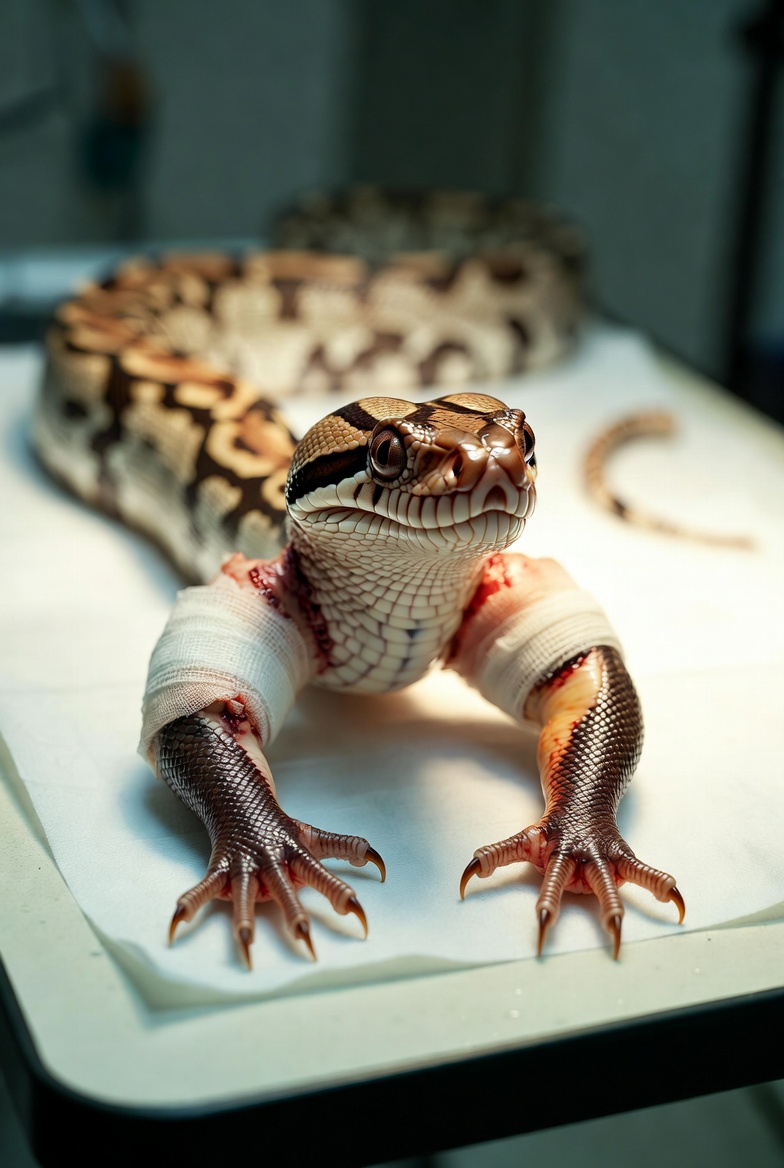
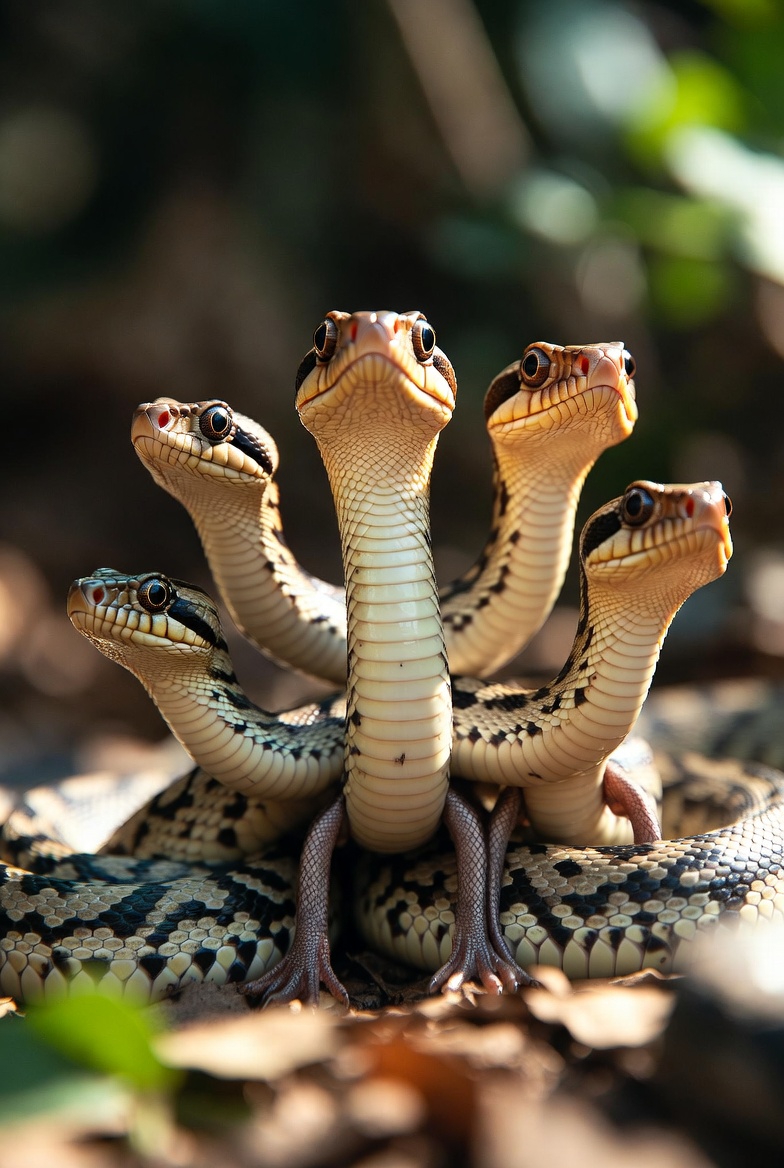
PSMOP is a Philadelphia-based organization dedicated to giving snakes in the Philly and Greater Philly region access to a true pair of human-like legs — with assessment, fitting, training, and long-term support.

Welfare monitored
Case-by-case fitting
Philly-first outreach
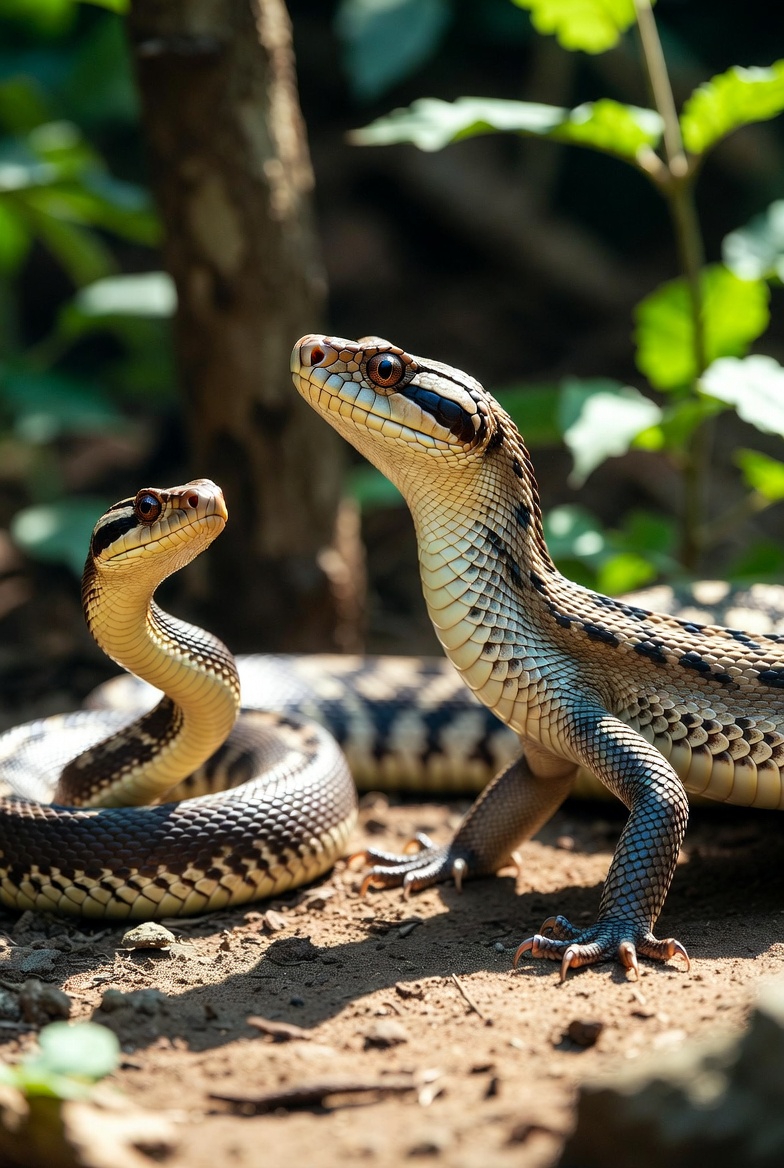
PSMOP photo1
photos/photo1.jpg

Intake open: Philadelphia + surrounding counties.

Focus: Human-like legs, practical training, long-term follow-up.
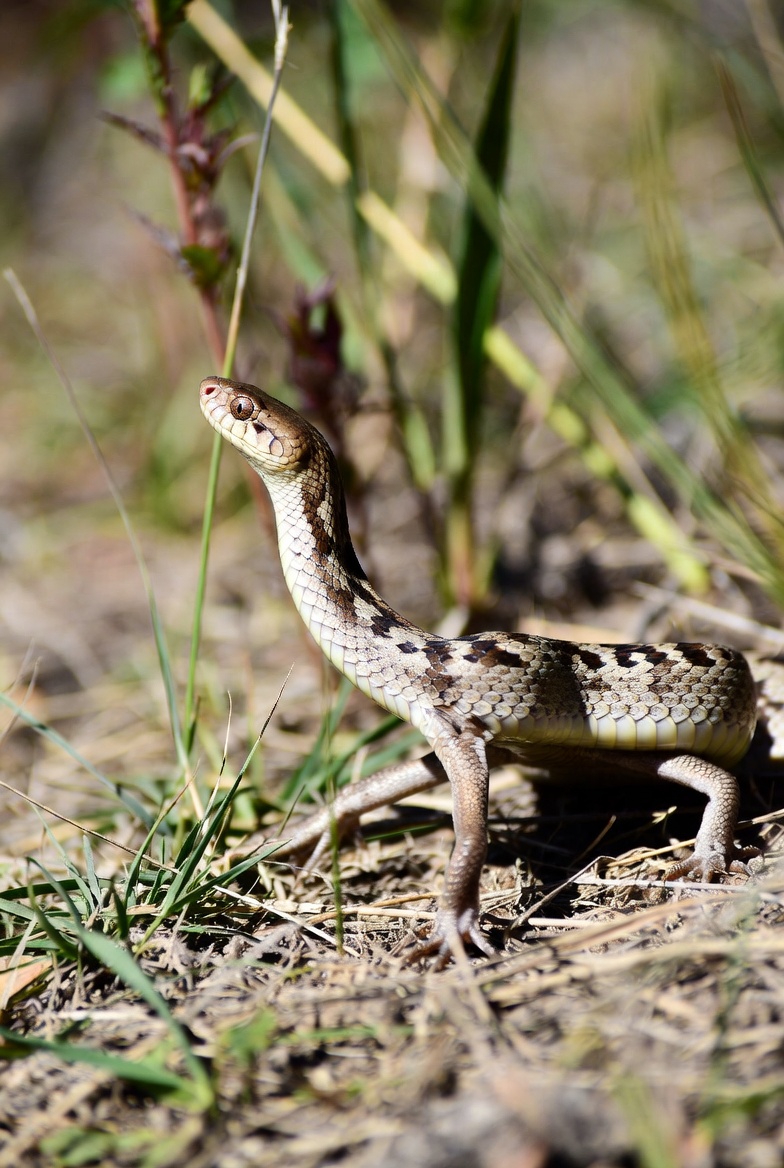
Our mission

Provide access to human-like legs for snakes across the Philadelphia region, with a complete pathway from assessment to mobility training and long-term support.

What “legs” means at PSMOP

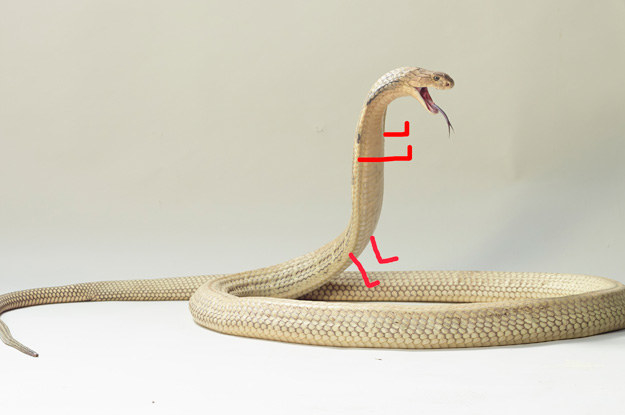
We mean a literal pair of legs modeled after human anatomy: hip placement, upper and lower leg segments, and functional feet — scaled per case. Our work is built around safety, stability, comfort, and follow-up.

What we deliver

  • Intake and eligibility review for Greater Philly cases
  • Body mapping and movement planning
  • Design and fabrication of a two-leg set
  • Fitting, training, and ongoing adjustments
PSMOP photo2
photos/photo2.jpg

How it works

A clear pathway that keeps the program measurable and predictable for caregivers, partners, and donors.

01

Intake

Referral, case history, habitat review, and caregiver capacity check.

02

Mapping

Measurements, balance modeling, and movement planning for stable leg placement.

03

Build

Design and fabrication of a two-leg set designed like human legs, scaled to the individual.

04

Fit

Fitting session with monitoring and adjustments for comfort and safety.

05

Training

Structured training plan: standing, stepping, and controlled movement progression.

06

Follow-up

Check-ins, refinements, and long-term support so mobility stays safe over time.

Impact you can track

We report simple program metrics that show progress without fluff.

0
Cases screened (rolling 12 months)
0
Active fittings in progress
0
Training completions

Where we work

Philadelphia and surrounding counties. We coordinate intake through local partners and community referrals, then prioritize cases based on feasibility and long-term support capacity.

What funding covers

  • Assessment and mapping
  • Leg fabrication and iteration
  • Fitting sessions and monitoring
  • Training materials and follow-up
PSMOP photo4
photos/photo4.jpg

Who’s involved

A Philly-based team focused on delivery: assessment, design, fitting, training, and support.

Dr. Noah Bur, MD, PhD
Executive Director
Program operations, partner coordination, and outcomes reporting.
Amadio Sanchez, MS
Director of Biomechanics
Body mapping, stability planning, and leg geometry review.
Ellen Kravchenko, RN, BSN
Clinical Care Coordinator (Herpetological Mobility)
Care monitoring, training support, and long-term follow-up coordination for mobility cases.
Kaly Schwartz, PT, DPT
Director of Physical Therapy & Training
Gait training protocols, balance progression, and movement safety planning.
Mick Baker
Director of Welfare & Training
Handling protocols, training plans, and follow-up care guidance.
Community Intake Team
Greater Philly Support
Intake scheduling, referrals, and caregiver education.

Partner with PSMOP

Rescue groups, educators, and community orgs: we coordinate intake and training support.

Fund the work

FAQ

Short answers to the most common questions.

Are you literally giving snakes a human-like pair of legs?

Yes. PSMOP’s mission is a true pair of human-like legs, scaled to the individual, with fitting, training, and long-term support.

Who can request intake?

Philadelphia-area rescues, educators, and community members can submit a request. We prioritize cases with clear long-term support.

Where do you operate?

Philadelphia and the surrounding region. We coordinate travel and on-site visits based on case priority and safety.

What does a donation fund?

Assessment, mapping, fabrication, fitting sessions, training support, and follow-up adjustments.